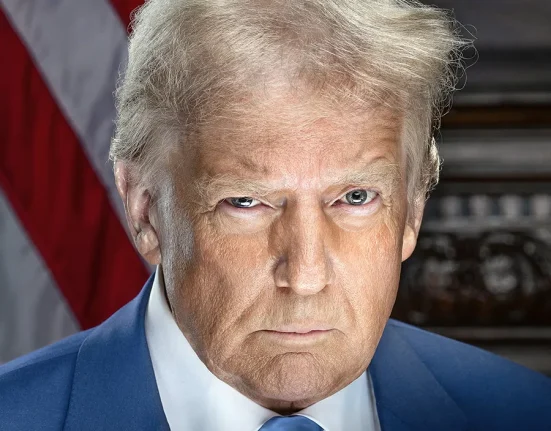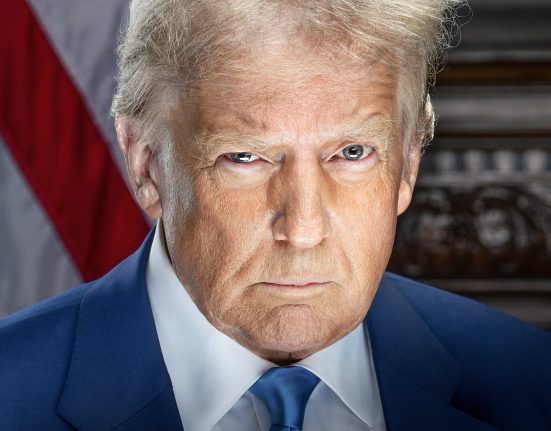

U.S. President Donald Trump has warned that Iran’s supreme leader, Ayatollah Ali Khamenei, should be “very worried” as both nations prepare for their first formal negotiations since last year’s U.S. strike on Tehran’s nuclear program.
Tensions have escalated in recent weeks following Iran’s deadly crackdown on nationwide anti-government protests, prompting Trump to deploy a U.S. military “armada” to the region and threaten potential strikes. In response, Iran’s military has vowed that any attack would be met with an immediate and decisive counterstrike targeting U.S. forces and assets.
“I would say he should be very worried. Yeah, he should be,” Trump told NBC News on Wednesday. While he has supported the protesters, he has stopped short of direct action.
The talks are scheduled for Friday in Muscat, Oman, between Iranian Foreign Minister Abbas Araghchi and Trump’s special envoy Steve Witkoff, according to Iran’s state-affiliated Tasnim news agency. Reports indicate that the U.S. wants the discussions to cover Iran’s nuclear program, ballistic missiles, regional sponsorship of terrorism, and human rights issues. Iran, however, says its focus will be limited to its nuclear program and lifting of sanctions.
Trump defended last year’s U.S. strike, claiming it prevented a nuclear threat and reassured Arab countries in the region. He also stated that Iran had attempted to revive its nuclear program at alternative sites, but U.S. intelligence discovered the plans. “I said, you do that, we’re going to do bad things to you,” he said.
Regional mediators have been urging restraint, warning that any conflict could destabilize the Middle East. Tensions remain high after recent incidents, including a U.S. aircraft carrier shooting down an Iranian drone in the Arabian Sea and Iranian gunboats threatening a U.S.-flagged tanker in the Strait of Hormuz.
Trump initially threatened military action last month during widespread protests in Iran, which included a near three-week nationwide internet blackout. While connectivity has been partially restored, experts warn that Iran’s digital access remains fragile.