
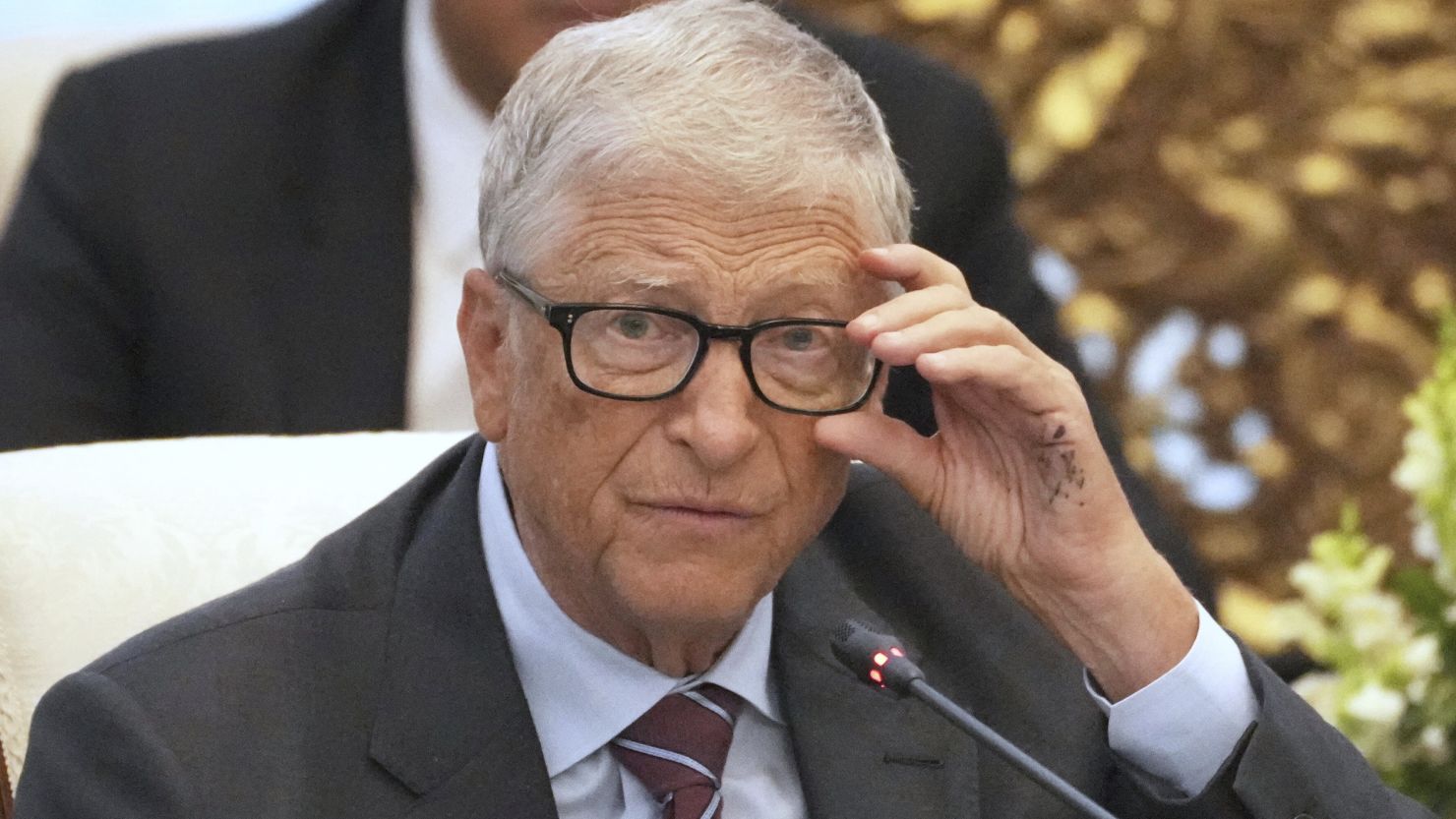
Bill Gates is raising a warning the world can no longer ignore.
In the latest Goalkeepers report titled “We Can’t Stop at Almost,” he cautions that—for the first time in this century—global progress in reducing child mortality is moving in the wrong direction.
Gates opens with a stark reminder: “It doesn’t have to be like this.” Yet the data paints a worrying picture. After decades of steady decline, child deaths are rising again.
According to the Institute for Health Metrics and Evaluation, 4.6 million children under five died in 2024, and that figure is projected to increase by more than 200,000 this year, reaching an estimated 4.8 million.
Gates likens this loss to more than 5,000 classrooms of children “gone before they ever learn to write their name or tie their shoes.” This surge coincides with a dramatic drop in global health funding. Development assistance for health has fallen by nearly 27% compared to last year, and several major international aid programs have been scaled back or shut down.
He calls the trend a “significant reversal in child deaths” and warns that it should serve as a global wake-up call. If current funding cuts persist, the consequences could be devastating.
The report estimates that if global health support drops by 20%, an additional 12 million children could die by 2045. A 30% cut could raise that number to 16 million. Gates notes that humanity risks becoming the generation with unprecedented scientific advancements—yet still failing to save millions of preventable young lives.
Earlier this year, Gates pledged nearly all of his remaining wealth—around $100 billion—to fight deadly diseases and reduce child mortality. But he emphasizes that philanthropy alone cannot carry the burden.
Governments, especially in high-income countries, must take greater responsibility. Many infectious diseases can resurge rapidly if funding and preventive measures falter.
The message of the report is unmistakable: If the world turns away now, it will be remembered as the generation that almost ended preventable child deaths, almost eradicated polio, almost eliminated malaria, almost defeated HIV—but stopped too soon.
Despite global financial pressures, Gates insists that powerful solutions already exist, supported by promising new innovations. The challenge ahead, he says, is learning to “do more with less.”
Strengthening primary health care remains one of the most effective paths forward, capable of preventing up to 90% of child deaths through early diagnosis and basic treatment. Routine immunization also remains one of the highest-impact investments in global health, delivering extraordinary social and economic returns.
New tools—from advanced malaria prevention technologies to groundbreaking maternal vaccines for RSV and Group B strep—offer hope and could save millions of lives in the years to come.









Leave feedback about this