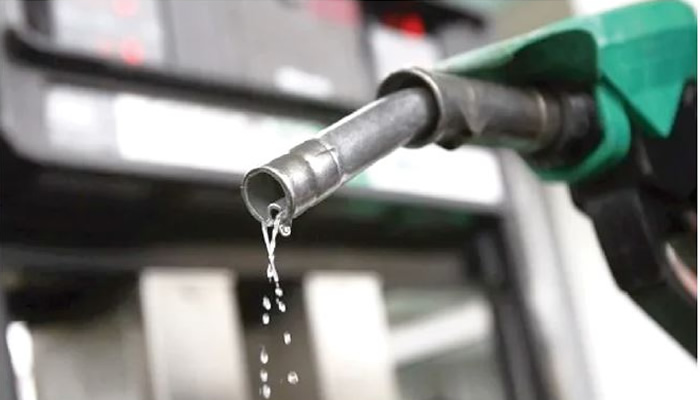
The Central Bank of Nigeria (CBN) has forecast that the pump price of Premium Motor Spirit (PMS), popularly known as petrol, could climb to around N950 per litre in 2026.
At present, the Dangote Petroleum Refinery sells petrol at an ex-gantry price of N699 per litre, while MRS Oil, an authorised distributor, retails the product at N739 per litre.
According to the CBN’s 2026 Macroeconomic Outlook, the projection is based on an assumed average crude oil price of $55 per barrel in 2026. The bank also factored in an exchange rate of N1,451.63 to the dollar in the fourth quarter of 2025 and N1,400 per dollar in 2026. These assumptions are underpinned by expectations of improved efficiency in the foreign exchange market, stronger capital inflows and a sustained current account surplus.
The outlook further assumes that Nigeria’s crude oil production will average about 1.5 million barrels per day throughout the forecast period.
Under these conditions, the apex bank expects PMS prices to hover around N950 per litre in 2026. It noted that increased private-sector investment—particularly in domestic refining—would boost economic growth and help moderate energy costs. The CBN also cited higher crude output, improved security around oil facilities and expanded refining capacity as factors likely to improve supply conditions in 2026.
The bank projected that headline inflation would ease to 12.94 per cent in 2026, down from an estimated 21.26 per cent in 2025. This moderation is expected to be driven by lower food prices and softer PMS costs, supported by growing competition in the midstream sector.
Petrol prices recently declined after the Dangote Refinery cut its ex-gantry price from N828 to N699 per litre and implemented a pump price of N739 per litre through its partner, MRS Oil. Following the mid-December adjustment, competing fuel stations reportedly reduced their prices to remain competitive.
However, the Dangote Petroleum Refinery has cautioned that petrol prices could surge to as high as N1,400 per litre if Nigeria returns to heavy dependence on fuel imports. The refinery noted that large-scale local production has played a key role in stabilising the downstream market and reducing price volatility.